Fallen Tree Removal in Allentown, PA
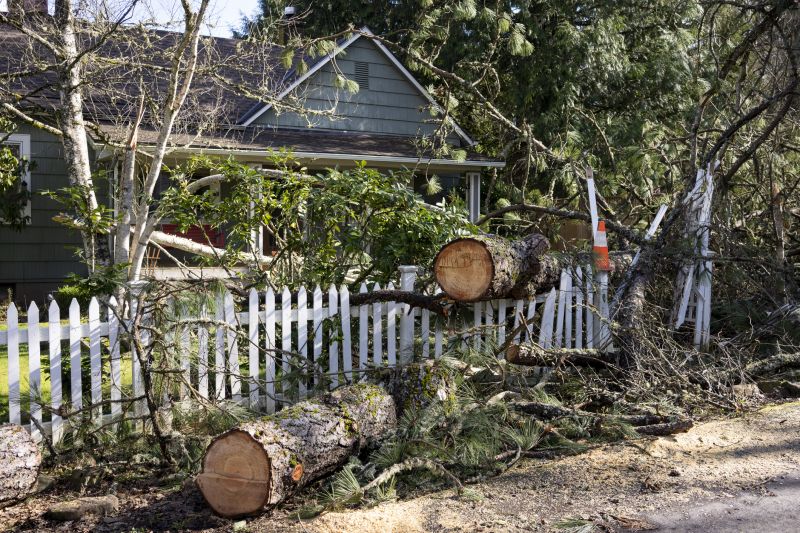
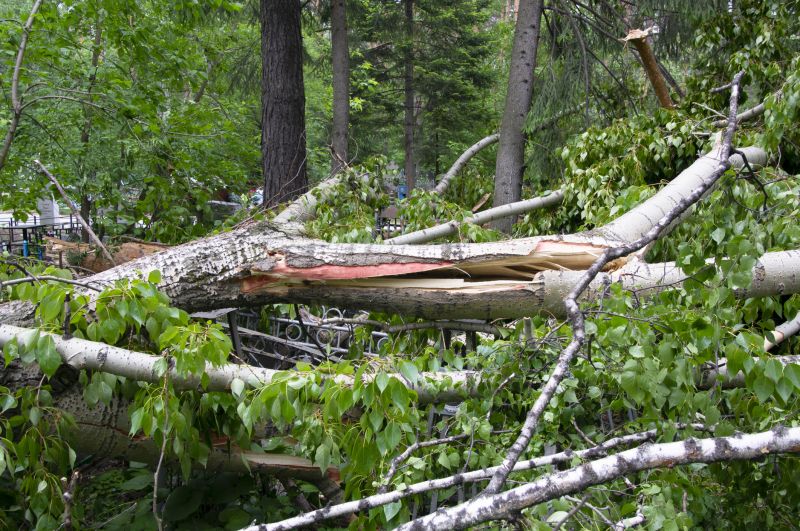
Fallen tree removal services involve the safe and efficient removal of trees that have toppled, broken, or become hazardous on a property. This type of work typically covers situations such as storm damage, dead or decaying trees, or trees that pose a risk to structures, power lines, or people. Homeowners interested in this service should understand the importance of prompt action to prevent further property damage or safety hazards, and should consider factors like the size and location of the tree, as well as any potential impact on surrounding landscaping.
Before requesting fallen tree removal, property owners often want to know about the scope of work involved, including debris cleanup and stump removal options. It’s also helpful to assess whether the tree’s position might require special equipment or techniques for safe removal. Clarifying these details can ensure that the project aligns with safety considerations and property needs, making the process smoother and more effective.
Many property owners in Allentown, PA look into Fallen Tree Removal for repairs, replacements, upgrades, and appearance-related improvements.
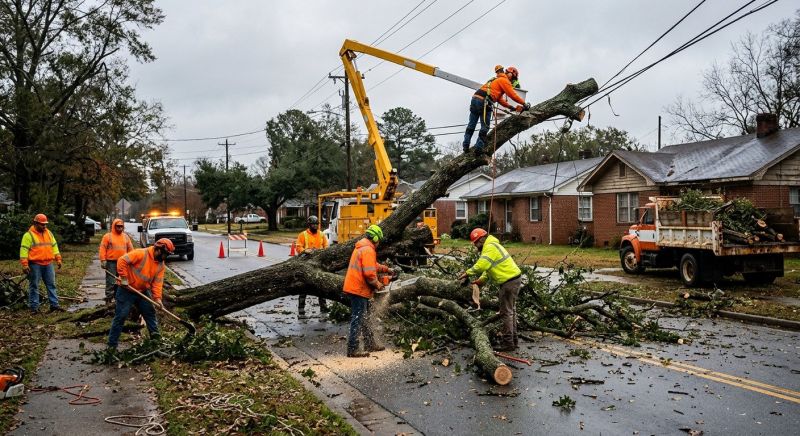
Emergency Tree Removal
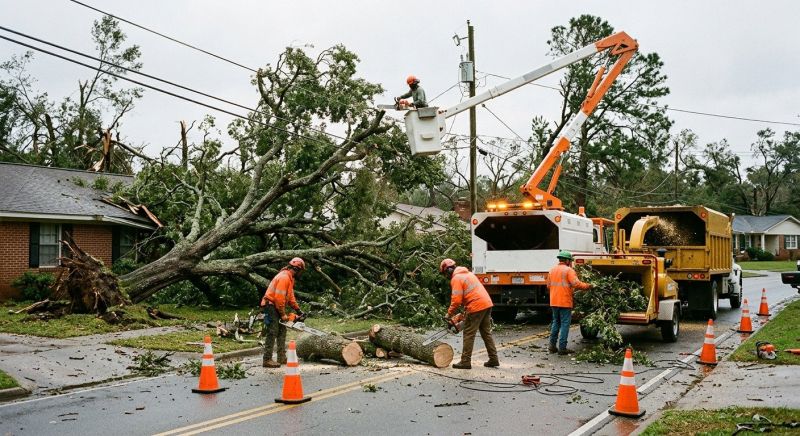
Removing fallen or hazardous trees quickly to ensure safety and prevent property damage.
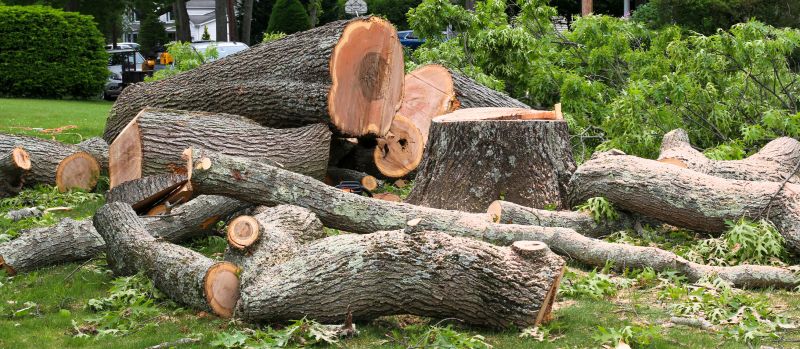
Stump Grinding And Cleanup
Complete removal of tree stumps to restore the landscape and improve curb appeal.
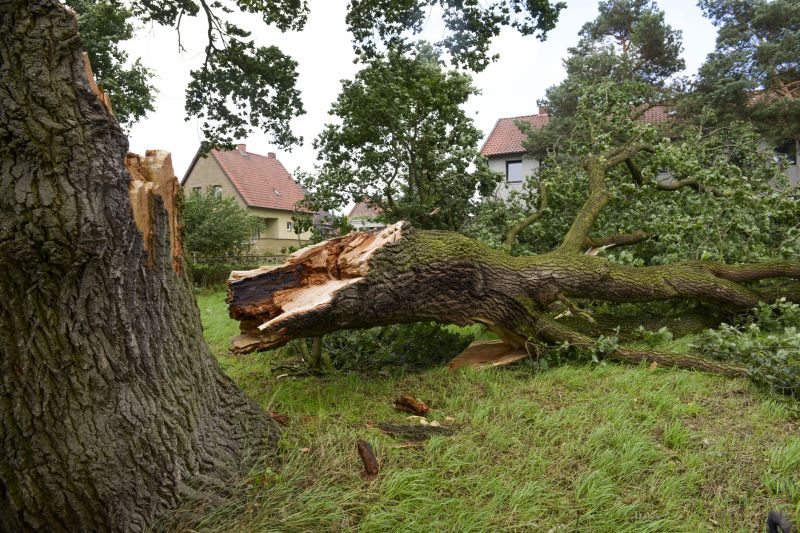
Tree Health Assessment
Evaluating the condition of trees to identify risks and determine if removal is necessary.
Fallen Tree Removal in Allentown, PA
Fallen tree removal services involve the safe and efficient removal of trees that have toppled, broken, or become hazardous on a property. This type of work typically covers situations such as storm damage, dead or decaying trees, or trees that pose a risk to structures, power lines, or people. Homeowners interested in this service should understand the importance of prompt action to prevent further property damage or safety hazards, and should consider factors like the size and location of the tree, as well as any potential impact on surrounding landscaping.
Before requesting fallen tree removal, property owners often want to know about the scope of work involved, including debris cleanup and stump removal options. It’s also helpful to assess whether the tree’s position might require special equipment or techniques for safe removal. Clarifying these details can ensure that the project aligns with safety considerations and property needs, making the process smoother and more effective.
Many property owners in Allentown, PA look into Fallen Tree Removal for repairs, replacements, upgrades, and appearance-related improvements.
Common Fallen Tree Removal Jobs
Emergency tree removal - safely clears fallen or hazardous trees after storms or accidents.
Selective tree removal - removes specific trees to improve property aesthetics or health.
Uprooting and stump removal - eliminates remaining stumps to prevent regrowth and maintain landscape appearance.
Dead tree removal - removes dead or dying trees to reduce risk of falling or property damage.
Overgrown tree clearance - trims back trees encroaching on structures, power lines, or pathways.
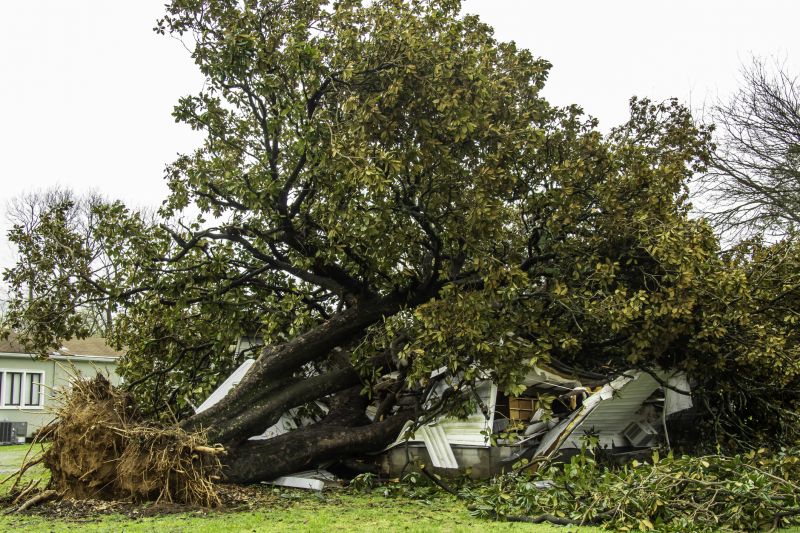
Storm damage cleanup - clears trees and debris resulting from severe weather events.
Fallen Tree Removal Questions
What types of trees can be removed? Most common tree species on residential properties can be safely removed, including dead, diseased, or hazardous trees.
Is fallen tree removal necessary after a storm? Yes, removing fallen or damaged trees helps prevent further property damage and safety hazards.
What should be done before tree removal? Clear the area around the tree and ensure access for equipment to facilitate a safe removal process.
Does fallen tree removal include cleanup? Typically, cleanup involves removing branches and debris left after the tree is taken down, leaving the area clear.
Request Fallen Tree Removal in Allentown, PA
Use the quote form on this page to share the basics of your project and request more information for the type of work you need.